





-Compliance automation software reduces manual evidence collection by up to 70% for security and GRC teams, accelerates audit readiness, and keeps controls monitored continuously.
- This guide compares 8 platforms across frameworks supported, automation depth, pricing model, and key limitations, so you can shortlist without wading through vendor marketing.
- Your framework mix, team size, and audit cadence determine the right tool. There is no universal answer here.
- All 8 platforms, including Scrut, Vanta, Hyperproof, Sprinto, OneTrust, and Secureframe, are evaluated with current, verified data as of 2026.
What compliance automation software actually does
If you own security or compliance at a growing company, you already know where the time goes. Evidence collection is manual, repetitive, and driven by the audit calendar. You chase screenshots across Slack, pull configs from AWS, and ask engineers to drop whatever they are building to prove a control works.
That pattern creates gaps, delays, and real engineering drag.
Compliance automation software removes that drag. It automates evidence collection, maps your controls to the frameworks you need, monitors your environment for drift, and keeps auAdit-ready records in one place. What it does not do is make you compliant on its own.
Attestation, risk acceptance, and interpreting how a regulation applies to your business require human judgment, and no platform can sign off for you. Treat the software as the system that does the busywork, not the thing that replaces the decisions.
This guide compares 8 platforms, explains the criteria that actually matter, and includes the limitations vendors leave out of their own decks. If you want the broader picture first, you can also start with our overview of compliance automation and how it fits into GRC automation.
How to choose compliance automation software: 7 criteria that matter
Most buyers evaluate these tools on the wrong axis. Sticker price is easy to compare, so it dominates the spreadsheet, while the things that actually determine success, like automation depth and cross-framework reuse, get a single checkbox.
Here is what to weigh, and why each one matters once the tool is live.
No single answer fits every company. A 30-person fintech processing payments and a 300-person horizontal SaaS company have different needs, even though both fall within this guide's audience. Match the criteria above to your stage and framework mix.
For the frameworks themselves, see our guide to compliance frameworks; for a structured walkthrough, how to choose GRC software goes deeper into the evaluation. The right tool is the one that fits your GRC automation maturity, not the one with the longest feature list.
Types of compliance automation software: what category fits your needs
Before comparing individual products, it helps to understand the landscape. Tools that all get called "compliance automation" actually fall into distinct categories, and buyers who conflate them often overpay for redundant tooling or miss a gap entirely.
Prospects ask for your security posture during procurement and you want to automate the response
These categories overlap more than vendors admit. A full GRC platform often includes posture checks, a risk management module, and a Trust Center under one subscription, while a standalone cloud security posture management tool does one job deeply and nothing else.
That overlap is where money gets wasted.
An example of the most common overspend: buying a dedicated CSPM tool when your compliance platform already runs posture checks. The most common audit surprise: discovering your checklist tool does not actually monitor cloud drift. The practical question is not "which category" but "how much of this do I need in one place versus stitched together.
Top 8 compliance automation software platforms compared (2026)
Here is a quick-reference view before the individual writeups. Cells marked [VERIFY] should be confirmed against the vendor's live site before publishing.
1. Scrut
Scrut is a GRC and compliance automation platform built for cloud-native, growth-stage, and mid-market companies. It covers compliance automation, risk management, and vendor risk in a single product, which matters when the alternative is stitching together three tools and reconciling them by hand.
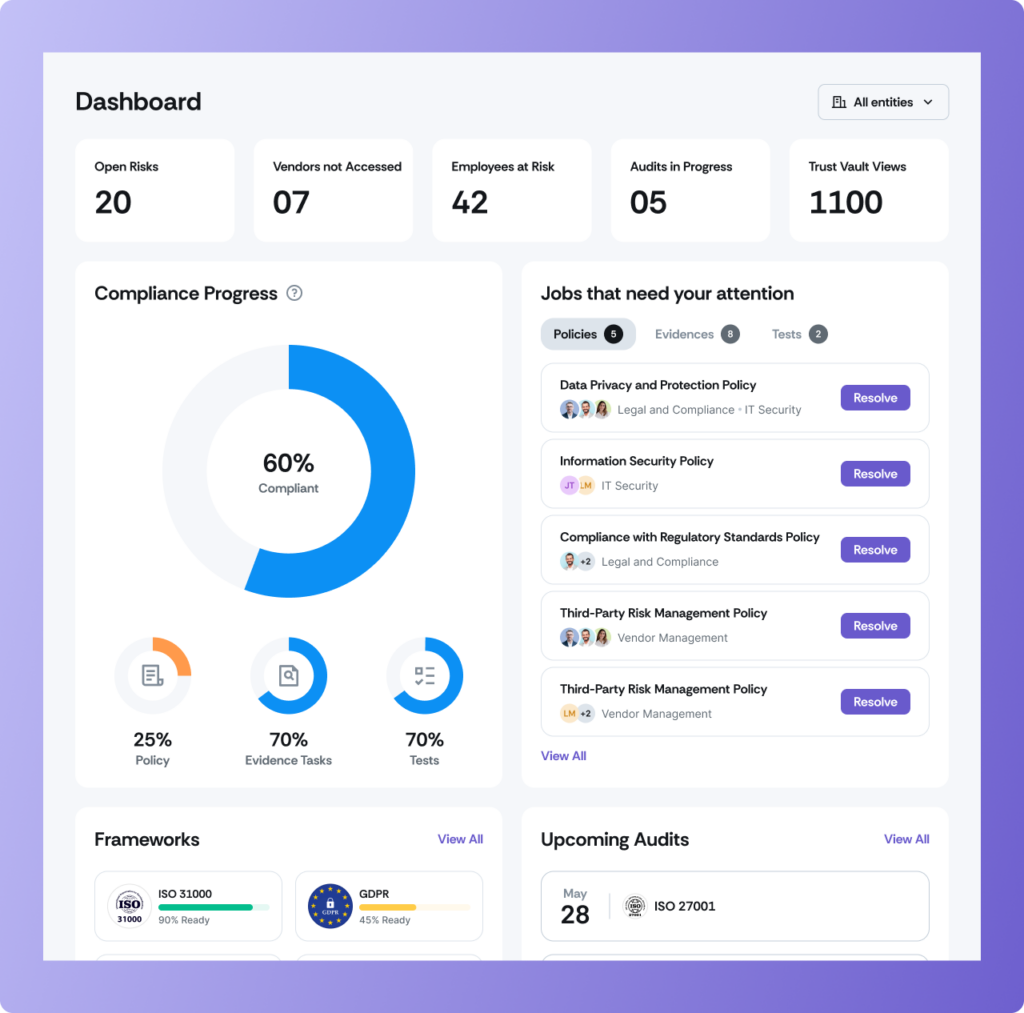
- It supports 70+ frameworks, including SOC 2, ISO 27001, HIPAA, GDPR, PCI DSS, FedRAMP Moderate, CMMC L3, and NIS 2, and lets you build custom frameworks at no additional cost.
- The engine underneath is the Unified Controls Framework (UCF), which maps your risks and artifacts to a baseline set of controls. In practice, evidence collected for SOC 2 automatically carries into ISO 27001. Adding a framework asks you only for the controls that were previously out of scope, not a full restart.
- It runs daily checks against 230+ CIS benchmarks for cloud posture, 100+ pre-built policy templates ship ready to customize with infosec-team support, and evidence collection is automated up to 70% of the way.
- Scrut Teammates, the agentic AI layer, detects evidence gaps before an auditor would and maps policy documents to controls.
- Native DAST covers dynamic application security testing with CVSS scoring and external-ready PDF reports, removing the need for a separate scanning tool. Security questionnaire responses are AI-automated and unlimited.
- A customer-facing Trust Portal serves security documentation on demand.
- Vendor risk management is built in rather than bolted on, and MCP is available with ready-to-use skills for developer-native workflows.
On the operational side, Scrut integrates with 150+ tools, including AWS, Azure, Google Workspace, and Jira, plus SIEM and EDR for incident management. Support is 24x7. Pricing runs across Foundation, Growth, and Scale tiers, with all modules included, no add-on fees for auditors or pen-testers, and no extra charge for up to 5,000 users.
Where it fits best: Flat pricing with every module included is strongest value for organizations running the full platform across multiple frameworks. A seed-stage team that needs only a single framework should weigh whether they want the full feature set now or a lighter entry point first.
2. ISMS.online
ISMS.online is a compliance platform positioned primarily around ISO 27001 and GDPR, with support for standards such as ISO 27701. It fits best when your framework scope is narrow and your regulatory context is European.
The platform provides a structured path through an information security management system, with built-in risk assessment tooling and task management for evidence submission against audit requirements.
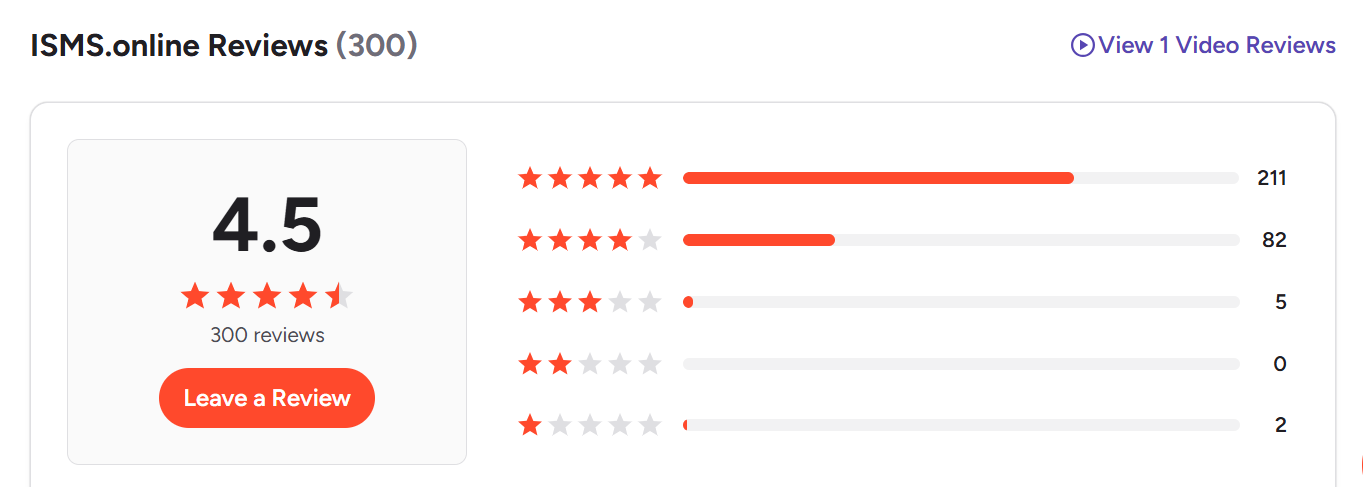
The pricing model is the structural consideration. Per-user plus per-module means your cost scales in two directions at once. Before you commit, run the numbers: your expected user count against your module needs.
The total moves faster than the surface price suggests.
3. Hyperproof
Hyperproof is a compliance operations hub that works well for mid-market GRC programs with complex, multi-framework needs. It supports 70+ frameworks and aims to cut audit prep time by automating compliance workflows and risk management in one place.
Its defining feature is Hypersync, which handles cross-framework evidence sharing and control reuse across 70+ integrations, paired with a no-code workflow builder for teams that want to configure processes without engineering help. That combination makes it a credible fit for a GRC team juggling several frameworks at once.
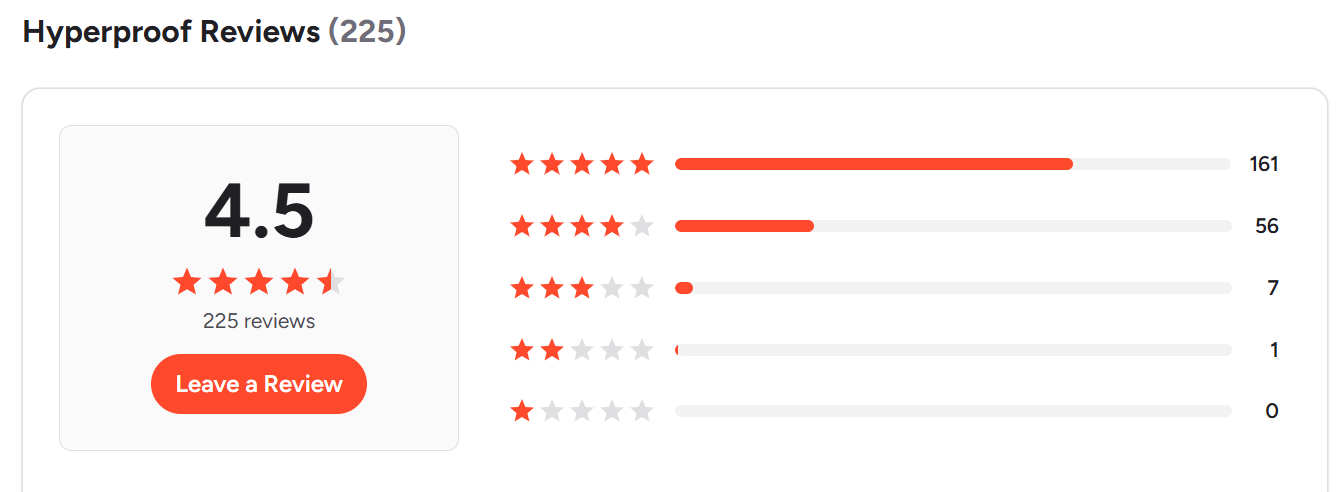
Pricing is per-user across Starter, Professional, and Business tiers and is not published publicly, so you will need to go through sales to get a number.
One limitation worth factoring in: Hypersync has limits on the proof types it can collect automatically for continuous monitoring, which means some evidence still comes in manually.
Build that into any "fully automated" expectation before you commit.
If you are already evaluating Hyperproof against a shortlist, the Hyperproof alternatives breakdown covers the head-to-head in more detail.
4. OneTrust
OneTrust is a privacy-first GRC and trust intelligence platform spanning privacy, governance, risk, compliance, ethics, and ESG. Its deepest strengths are data discovery, consent management, and DPIA tooling, and it serves 14,000+ customers at enterprise scale.
It supports 100+ frameworks, including GDPR, CCPA, LGPD, PIPEDA, ISO 27001, SOC 2, HIPAA, ISO 42001, and NIST CSF. Licensing is modular by product area (Privacy, GRC, Ethics, Data Governance), so you buy the pieces you need rather than a single bundle.
The key positioning point for this audience is scope. OneTrust's primary strength is privacy and consent management rather than cloud infrastructure monitoring. Teams with heavy cloud posture needs may require an additional tool alongside it.
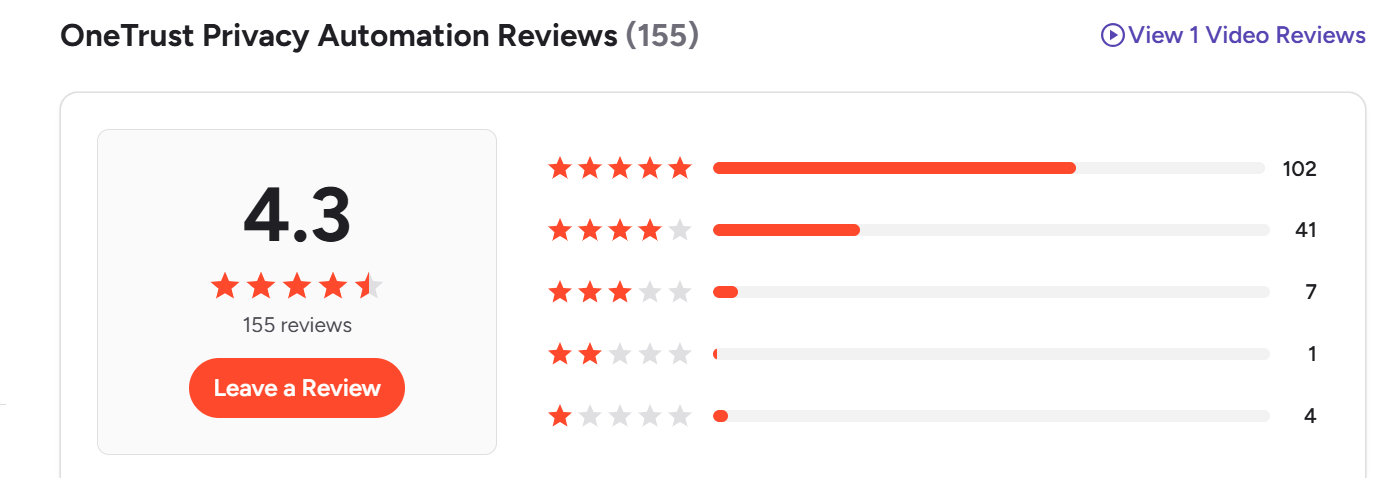
Its best fit is an organization with GDPR and CCPA-heavy obligations and existing enterprise GRC infrastructure. Our GDPR compliance guide covers the obligations OneTrust is built around.
5. Vanta
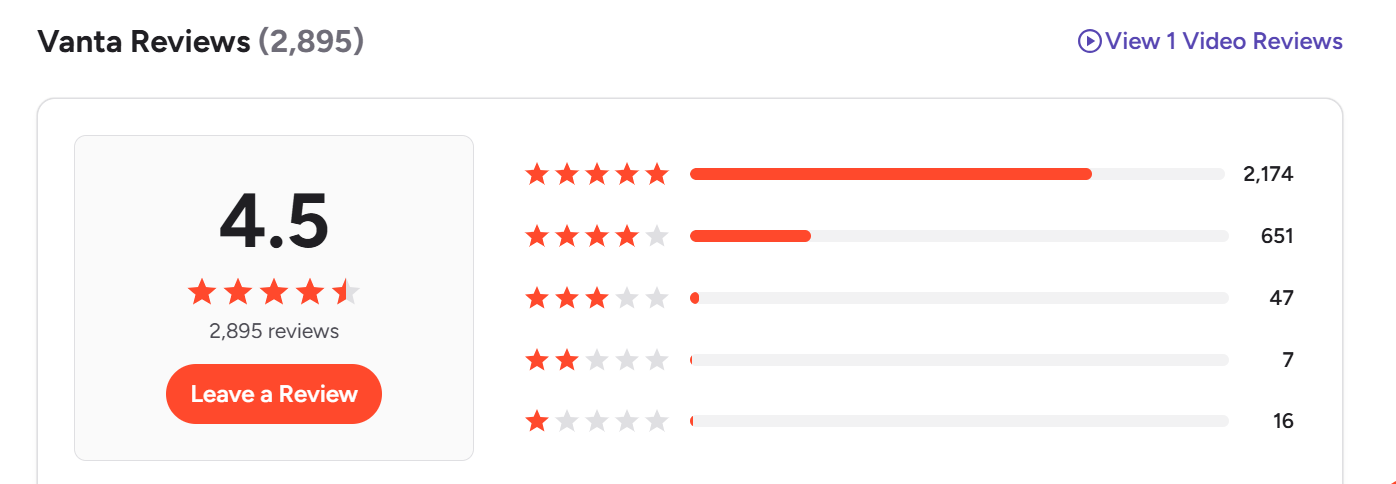
Vanta is a trust management and compliance automation platform founded in 2017, and it positions itself as the "#1 Agentic Trust Platform." It is a common first choice for early-stage SaaS companies working toward their first SOC 2.
It supports 35+ frameworks and connects through 400+ integrations, including GitHub, Google Workspace, and AWS, one of the broadest integration libraries in this category. On G2, it holds a 4.6-star rating across 1,000+ reviews.
On the AI and developer side, Vanta made its MCP Server generally available in April 2026, and launched an "AI Governance from Vanta" product in July 2026.
One limitation to test before committing: Vanta has reported encryption-status tracking issues on Linux machines. If your fleet is Linux-heavy, verify that specifically during a trial.
6. Sprinto
Sprinto is a compliance automation platform built for cloud companies, positioning itself as the "World's first Autonomous Trust Platform." It serves 3,000+ customers across 75 countries.
On frameworks, Sprinto reports 200+ frameworks digitized and 25+ automated, covering SOC 2, ISO 27001, GDPR, HIPAA, PCI DSS, ISO 42001, and the EU AI Act. Its Fix-it Agent handles auto-remediation across monitors. AI Governance is a core product area addressing ISO 42001, the NIST AI RMF, and the EU AI Act, which makes it relevant to teams whose compliance scope now includes AI systems.
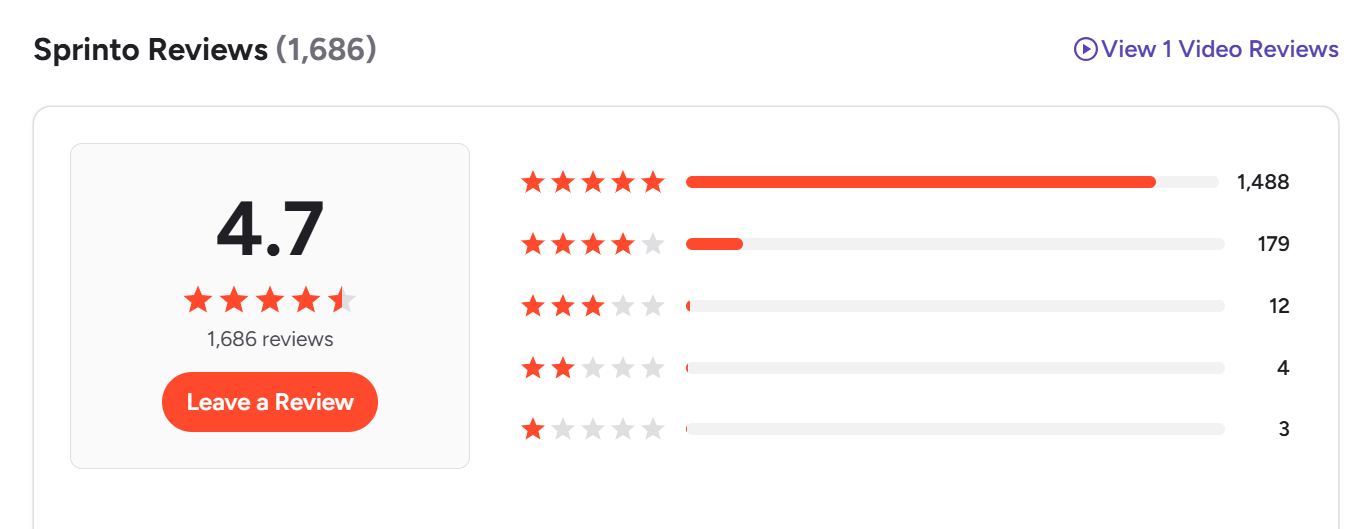
Pricing runs across Foundation and Growth tiers, with enterprise add-ons for Risk, third-party risk management, and AI Governance. Map which add-ons you will actually need before comparing the base price against alternatives.
Continuous monitoring is the operational layer underneath all of these platforms. What that looks like in practice is worth understanding before you evaluate any of them: our compliance monitoring guide covers the discipline.
7. Secureframe
Secureframe is a compliance automation platform covering SOC 2, ISO 27001, HIPAA, GDPR, and PCI DSS, aimed at tech organizations running multiple frameworks. It is known for a user-friendly interface that simplifies managing compliance and security tasks.
Secureframe was reported as one of 14 organizations selected for a FedRAMP 20x Moderate pilot in 2026. If your roadmap includes government or public-sector sales, that direction is worth tracking.
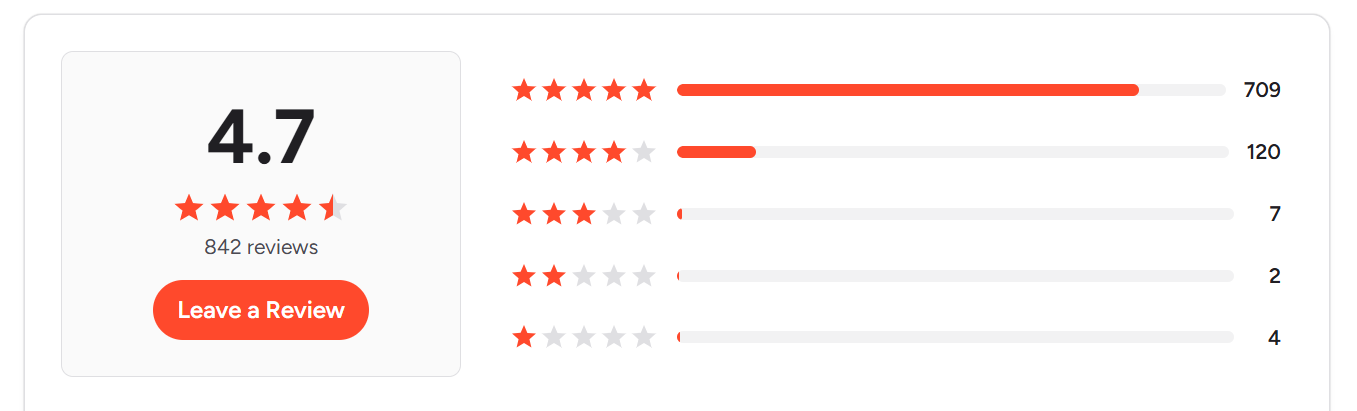
Pricing is contact-sales, and cost details are not published on the website, which makes early budgeting harder. Request a full quote that accounts for the frameworks you expect to add over time, not just your current scope.
8. Thoropass
Thoropass combines compliance automation software with audit services in a single package, pairing the platform with its own auditors. It covers SOC 2, ISO 27001, HIPAA, and PCI DSS.
The model is the differentiator.
Rather than buying automation from one vendor and sourcing an auditor separately, Thoropass delivers both together. For a first-time SOC 2 team with no dedicated GRC function, that bundling reduces the number of vendors to manage and gives you a single point of accountability through the audit cycle.
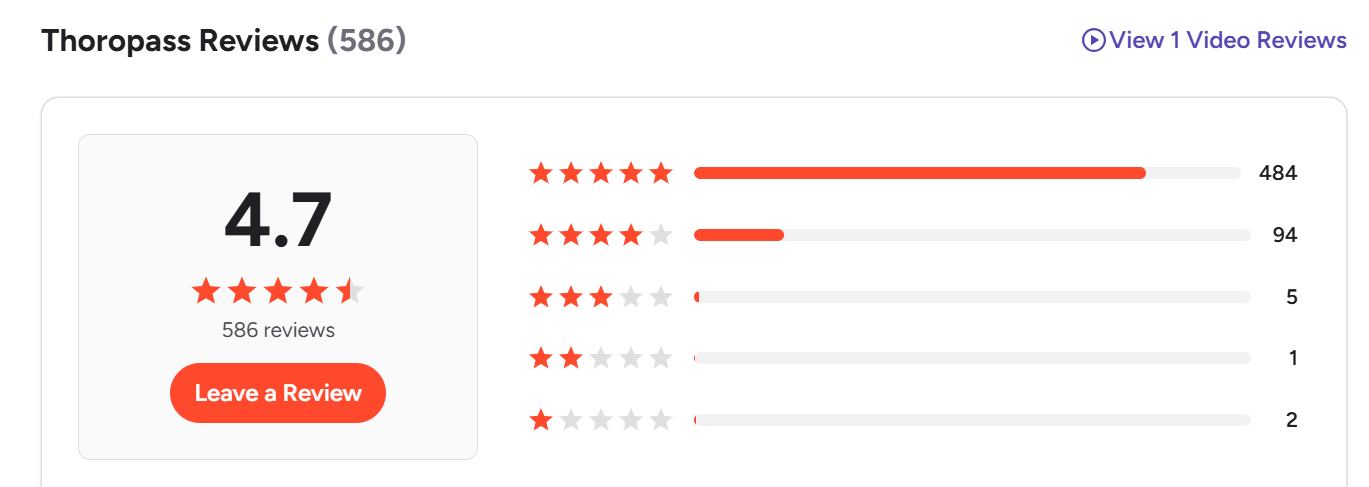
The tradeoff is flexibility. A bundled software-plus-audit package suits teams that want a guided path. Organizations that prefer to bring their own auditor, or that already have an auditor relationship they trust, should confirm how Thoropass accommodates that before committing.
How compliance automation software has evolved: AI and agentic GRC in 2026
The category has shifted in 2026 from AI that surfaces insights to AI that takes action. The useful distinction is "agentic" versus "insight-only." Insight-only AI tells you a control looks weak.
Agentic AI does something about it: it detects evidence gaps before an auditor sees them, drafts the config fix, or answers the security questionnaire for you. That is a meaningful difference when you are deciding whether a feature saves your team hours or just generates another dashboard to read.
Several 2026 launches illustrate the shift. Scrut Teammates detects evidence gaps and maps policies to controls. Vanta launched an "AI Governance from Vanta" product in July 2026. Drata launched AI Agent Governance in June 2026. Sprinto's Fix-it Agent auto-remediates across monitors. Different approaches, same idea: move AI from observation to action.
This is still an emerging area, and AI depth varies widely between platforms. "AI-powered" on a feature page tells you nothing about what the AI actually does. Ask vendors to demonstrate a specific workflow live, such as evidence gap detection or an automated questionnaire response, rather than accepting the label.
For more on how this is playing out, see our coverage of AI for continuous compliance, GRC automation: what works, what doesn't, and how agentic GRC is reshaping the discipline.
Compliance automation software by company stage: which fits where
Compliance maturity, not headcount, determines the right tool. A 30-person fintech with a banking partner can be more mature than a 300-person horizontal SaaS company. Use the stages below to self-identify, then map that to the criteria earlier in this guide.
Cloud posture monitoring depth, SIEM/EDR integration, drift alerts, and a mature risk register
- Early-stage, building your first program: Your goal is speed to a first SOC 2 audit. The question that matters is not how many frameworks the platform supports. It is whether the platform assumes you already have controls in place.
Most early-stage teams do not. A platform that starts with a gap assessment rather than a control checklist saves you the first two weeks.
- Growth-stage, expanding frameworks: The pain shifts to duplication. Adding ISO 27001 or HIPAA on top of SOC 2 should not mean rebuilding from scratch.
Ask vendors specifically: does evidence collected for SOC 2 map automatically to ISO 27001 controls, or do you re-upload it? The answer tells you more than any feature list.
- Mid-market, running continuous compliance: Now the need is staying audit-ready all year rather than scrambling at audit time. The signal to look for is whether the platform alerts you to drift between audits, not just during them.
Prioritize cloud posture monitoring, drift alerts, deep SIEM and EDR integration, and a risk register sophisticated enough to support real compliance risk management. A risk register that only gets updated at audit time is not a risk register. It is a spreadsheet with a better UI.
How to shortlist: a practical decision framework
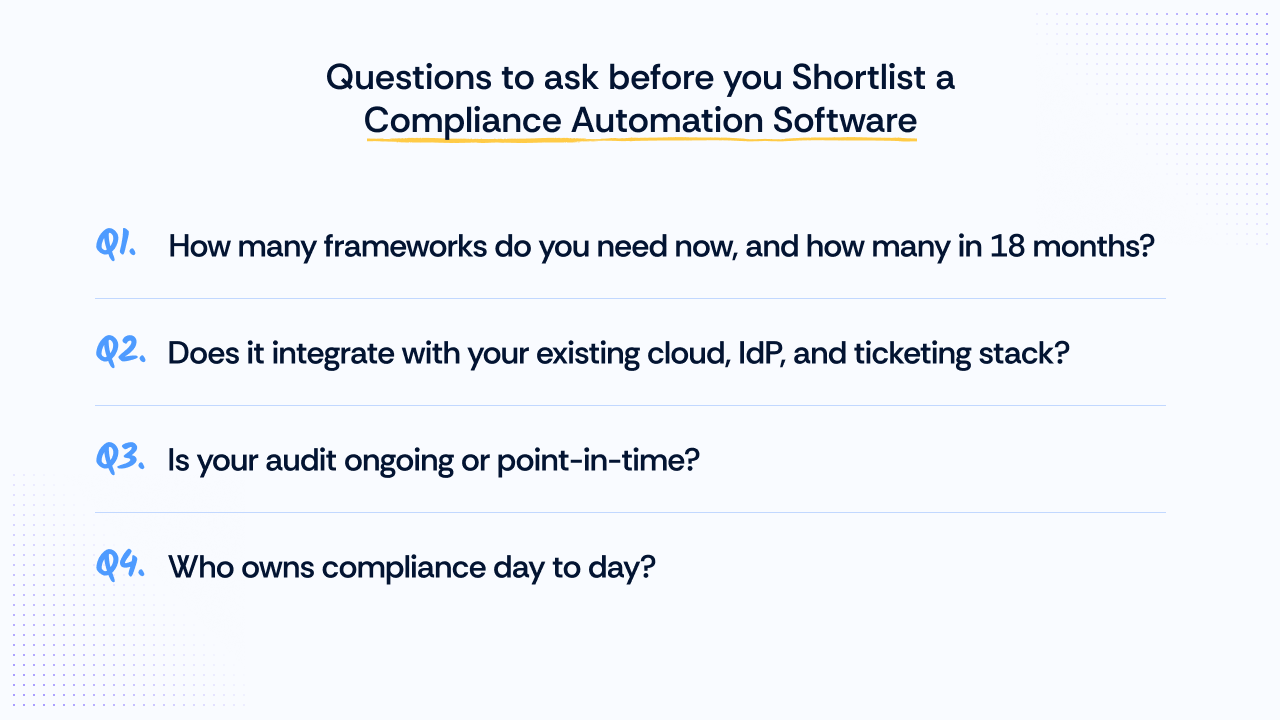
The stage guidance above narrows the field. These four questions narrow it further, to the point where you can book demos with a real shortlist rather than a wish list.
- How many frameworks do you need now, and how many in 18 months? If the answer is one and only one for the foreseeable future, a lighter tool may suffice. If you expect to add frameworks, prioritize cross-framework control reuse now so you are not re-platforming later.
- Does it integrate with your existing cloud, IdP, and ticketing stack, and have you verified those integrations in your specific configuration? "Supports AWS" on a marketing page is not proof. Test the connectors during a trial against your actual environment.
- Is your audit ongoing or point-in-time? A need for continuous monitoring points to platforms with strong drift detection and posture monitoring. A single upcoming audit may be served by a lighter audit-readiness tool.
- Who owns compliance day to day? A dedicated GRC team, a head of engineering wearing several hats, and a CISO with a small team each need different things from the UI, the automation, and the support model.
Mapping your answers gives you a shortlist. For multi-framework continuous monitoring, evaluate Scrut, Hyperproof, or Vanta. For a fast single-framework first audit, Vanta or Secureframe are reasonable starting points. The flat-subscription model matters most when you are running compliance, risk, and vendor management together. That is where Scrut's pricing structure pays off.
For a structured next step, see how to choose GRC software, the GRC implementation roadmap, and our guide to compliance automation integrations.
Compliance automation software handles the busywork: collecting evidence, mapping controls across frameworks, and flagging drift before it becomes an audit finding. What it does not do is sign the management assertion or decide whether a risk is acceptable. Those calls stay with your team.
The practical payoff is fewer audit-time fire drills and less engineering drag. Automated evidence collection, cross-framework control reuse, and continuous drift monitoring are the mechanisms. The outcome your team actually feels is getting time back.
Weigh framework support, multi-framework control mapping, automation depth, integrations, workflow flexibility, total cost of ownership, and audit collaboration. Then answer the four shortlisting questions in the decision framework above to match a tool to your stage and framework mix.
Look for genuine evidence automation, a unified control layer for cross-framework reuse, reliable integrations with your stack, configurable workflows, continuous monitoring, and auditor collaboration inside the platform. The criteria table earlier in this guide breaks each one down.
Scrut serves data-sensitive industries including health tech, fintech, and SaaS, and supports 70+ frameworks plus custom frameworks, so it adapts to sector-specific requirements. The right fit still depends on your framework mix and compliance maturity rather than industry alone.