


%20(1).png)


- The SOC 2 compliance cost includes significant engineering time, not just audit fees, consultants, and tools. Many teams spend 180–250 engineering hours during implementation alone.
- Engineering work spreads across many small tasks, including evidence collection, infrastructure checks, documentation, and answering auditor questions. These fragmented tasks quietly increase the total SOC 2 compliance cost.
- Organizations reduce SOC 2 compliance costs by automating evidence collection and continuously monitoring controls, which minimizes manual engineering work and audit preparation effort.
When companies estimate the cost of SOC 2 compliance, they typically consider audit fees, consultants, and compliance platforms.
What often gets missed is the engineering time.
Platform teams configure logging and access controls. Engineering managers coordinate responses to auditors. Individual engineers get pulled into documentation requests, evidence collection, and architecture explanations.
Each request may only take a few minutes. But across multiple engineers and multiple months, those small tasks quietly add up. For many companies, the cost of SOC 2 compliance is not just financial. It is measured in engineering hours that interrupt product development and slow down sprint velocity.
This guide breaks down where engineering time actually goes during SOC 2, why teams underestimate the effort, and how organizations reduce the operational overhead of compliance. Most of that reduction comes from SOC 2 compliance software that connects to your cloud and identity systems and pulls evidence automatically, so the screenshots, log exports, and ownership questions stop landing on engineers mid-sprint.
How much does SOC 2 compliance cost in engineering time?
Most teams underestimate the engineering time required for SOC 2. A common story sounds like this: “We thought SOC 2 would take about two weeks of engineering work.” Instead, the effort spreads across multiple engineers over several months.
Platform teams configure logging and identity access management, while engineering managers coordinate control and ownership and answer auditor questions. And then there are individual engineers who are pulled into documentation requests or evidence collection. What initially looks like a short compliance project can easily turn into 180–250 hours of engineering work across a team. This hidden engineering effort is a major part of the true SOC 2 compliance cost.
The reason is simple. SOC 2 rarely appears as a single project with a clear scope. Instead, it shows up as dozens of small tasks scattered throughout the year. Understanding where that time actually goes is the first step toward controlling costs.
Why SOC 2 compliance work spreads across the entire engineering team
One reason the SOC 2 compliance cost to engineering teams is hard to estimate is that the work rarely appears in a single place.
There is usually no Jira epic called “SOC 2 implementation” with a clear start and end date.
Instead, the work appears in small fragments across the engineering organization.
Examples include:
• Slack messages asking for a quick screenshot
• DevOps exporting logs for an evidence request
• An engineering manager answering an auditor’s question
• Someone fixing a monitoring configuration before the audit
Each task may take only minutes or hours.
But across multiple engineers and multiple weeks, these requests quietly accumulate into a significant amount of engineering time.
This creates a gap between visible compliance work and hidden operational work.
The visible work includes preparing for the audit and submitting evidence. The hidden work includes everything that happens between those moments.
Where engineering time actually goes in SOC 2
Engineering effort during SOC 2 usually falls into four categories. Some of this work happens during the audit cycle. Much of it happens quietly throughout the year.
The pre-audit scramble
The most visible engineering effort happens in the weeks before the audit begins. This is when teams collect evidence and confirm that controls are operating as expected.

For many organizations, this phase lasts two to four weeks and disrupts normal sprint work.
Platform engineers typically handle the technical evidence while engineering managers coordinate responses and identify control owners.
Even when most controls are already implemented, evidence preparation alone can require 40–80 hours of engineering effort across the team.
The “in-between work” most teams miss
One of the most overlooked parts of SOC 2 compliance cost for engineering teams sits between two steps: “We have policies and controls” and “We uploaded evidence for the audit.”
This middle layer of operational work is rarely visible but consumes a surprising amount of time.

None of these tasks is complex on its own. But they require coordination across teams and multiple systems.
This operational layer is where many SOC 2 hours quietly disappear.
The ongoing compliance tax
SOC 2 is not a once-per-year project. Controls must remain operational between audits, which creates recurring engineering work throughout the year.
Typical examples include:
• quarterly access reviews
• vulnerability remediation
• fixing monitoring or logging drift
• validating incident response procedures
Each task may only take a few hours. But because they occur repeatedly, they create a steady baseline of engineering involvement even when an audit is not actively happening.
This ongoing work is another major contributor to the total SOC 2 compliance cost.
The context switching cost
One of the most underestimated parts of SOC 2 compliance is how often engineers get pulled into small requests that interrupt their normal work.
Compliance requests rarely appear as planned sprint tasks. They usually arrive mid-sprint as quick questions or evidence requests.
Examples include:
“Can someone export this report for the auditor?”
“Who owns this system for the access review?”
“Can we confirm MFA is enforced here?”
The request itself might take 30 minutes. But the context switching can disrupt an engineer’s focus for much longer.
In practice, a one-hour compliance task can easily translate into significantly more lost engineering time due to context switching. Research shows it can take over 20 minutes to regain focus after an interruption, and frequent task switching can reduce productivity by 20–80%.
Across an entire engineering team, this interruption pattern becomes a meaningful productivity drain.
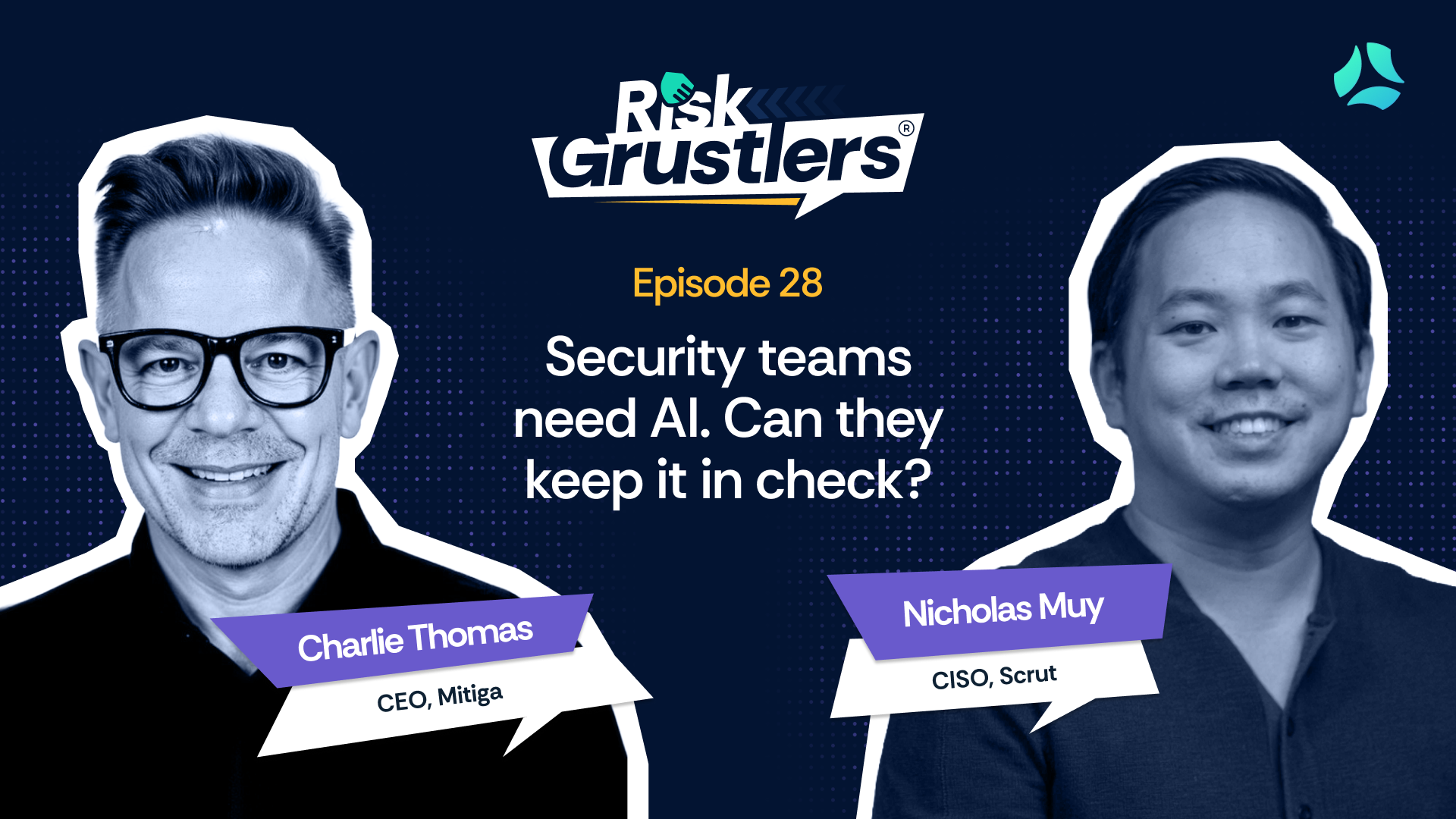
As Siyavash G. Nia, CISO at ShyftLabs, explained on an episode of our podcast, Risk Grustlers, compliance requests often surface as small interruptions during development cycles, forcing engineers to pause feature work to answer security or audit questions.

What SOC 2 compliance costs typically look like for engineering teams
While every organization is different, engineering effort during a SOC 2 engagement tends to fall within predictable ranges.

Several factors influence the total effort:
• whether it is the first SOC 2 audit or a renewal
• the number of systems and environments in scope
• whether multiple compliance frameworks are required
• how much evidence collection is automated
The key takeaway is that SOC 2 compliance costs rarely appear as a single block of engineering work. Instead, it spreads across many small tasks throughout the year.
Why most organizations underestimate the SOC 2 compliance cost
Most companies underestimate the true SOC 2 compliance cost for engineering teams for three reasons:
1. No single engineering owner
SOC 2 responsibilities are usually distributed across multiple teams.
Platform engineers manage infrastructure controls. Security teams maintain policies. Engineering managers coordinate responses.
Because the work is shared, the total engineering effort is rarely visible in one place.
2. Compliance data lives across multiple tools
SOC 2 evidence often needs to come from several systems, including:
• cloud platforms
• identity providers
• ticketing tools
• vulnerability scanners
• monitoring systems
Each evidence request may require pulling data from several tools and formatting it for the auditor. This fragmentation increases the operational overhead of compliance.
3. Individual tasks look small
Most compliance requests appear minor. A screenshot here. A report export there. A short explanation of how a system works. But across dozens of requests, the time adds up quickly.
This is why SOC 2 often feels manageable in the moment but expensive when viewed across an entire engineering year.
What well-run SOC 2 programs do differently
Organizations that reduce the engineering overhead of SOC 2 usually treat compliance as an operational system rather than an annual project.
Three practices make the biggest difference:
Clear control of ownership
Each control should have a clearly defined owner.
For example:
Clear ownership prevents the Slack chaos that often happens during evidence collection.
Defined automation boundaries
Not every compliance task can be automated. But teams that reduce the engineering effort behind SOC 2 compliance costs usually automate predictable activities such as:
• collecting infrastructure evidence
• monitoring configuration changes
• capturing security control status
Automation eliminates the need for repeated manual exports and screenshot work. Xima Software, a customer experience software company based in the United States, experienced this shift as customer demand for SOC 2 increased.
Without a dedicated compliance function, much of the early compliance work initially fell to the engineering team. By automating tasks such as configuration checks, risk alerts, and evidence collection, the team gradually integrated compliance into its engineering workflow instead of treating it as a separate project.
Continuous monitoring instead of audit-time checks
Well-run programs verify controls continuously rather than only during audit preparation. This approach prevents last-minute surprises and reduces the pre-audit scramble that disrupts engineering teams.
How to estimate your own SOC 2 compliance cost
If you want to understand how much SOC 2 actually costs your engineering team, start with a simple exercise.
Look at your last audit cycle and ask four questions.
- Who was involved in the SOC 2 work?
List every engineer, manager, or security team member who contributed. - How many hours did each person spend?
Even rough estimates are useful. - Which tasks were repeated work?
Examples include recurring screenshots, report exports, or access reviews. - Which tasks interrupted sprint work?
These interruptions often create the highest productivity cost.
Tracking these four categories quickly reveals where engineering time is actually going.
The real goal: predictable SOC 2 compliance cost
SOC 2 will always require engineering involvement. Controls must be implemented, monitored, and occasionally explained to auditors.
The difference between organizations is how visible and controlled the work is. For some companies, SOC 2 becomes a predictable operational process that takes only a few hours each month.
For others, it repeatedly interrupts engineering teams and quietly consumes hundreds of hours each year.
The goal is not to eliminate compliance work entirely. The goal is to reduce the manual coordination and repetitive tasks that drive up SOC 2 compliance costs and create unnecessary engineering overhead.
Organizations that manage this well usually treat compliance as a continuous operational system rather than a one-time audit-preparation project.
Reducing SOC 2 compliance cost with continuous compliance automation
One of the most effective ways to reduce SOC 2 compliance cost is to remove the manual engineering work that sits between implementing controls and proving they exist.
Instead of manually collecting evidence during audit preparation, modern compliance systems connect directly to cloud infrastructure, identity providers, and development tools to continuously monitor controls and automatically collect evidence.
Platforms like Scrut Automation help teams move toward this model by integrating with engineering systems to capture evidence, monitor configurations, and maintain audit readiness throughout the entire audit period.
This reduces the manual effort engineers spend exporting reports, collecting screenshots, and responding to last-minute auditor requests. It also makes compliance more predictable as organizations grow or expand into frameworks such as ISO 27001.
If your team is spending hundreds of engineering hours preparing for audits, it may be time to move to a system that runs compliance continuously in the background.
Schedule a demo with Scrut to see how continuous compliance can reduce your SOC 2 compliance cost.
SOC 2 compliance often requires 180–250 engineering hours for initial implementation in small teams. Mid-size engineering organizations may spend 250–500 hours during their first audit cycle. After the initial implementation, annual audits typically require 60–250 hours per year, depending on the size of the environment and the extent of automated evidence collection.
Most organizations underestimate the cost of SOC 2 compliance because the work appears as small, scattered tasks across the engineering team. Instead of one defined project, engineers spend time exporting logs, answering auditor questions, collecting screenshots, and validating controls throughout the year. Individually, these tasks seem minor, but collectively they consume hundreds of engineering hours.
Engineering time during SOC 2 usually goes into four main areas: -Evidence collection before the audit -Operational work between implementing controls and submitting evidence -Ongoing compliance activities such as access reviews and vulnerability remediation -Context switching caused by unplanned compliance requests during sprints Together, these activities account for a large share of the real SOC 2 compliance costs.
Organisations can reduce SOC 2 compliance costs by automating repetitive compliance tasks and continuously monitoring controls. Automation tools can collect infrastructure evidence, track configuration changes, and maintain audit readiness throughout the year. This reduces manual engineering work during audit preparation and limits interruptions to product development.
Yes. SOC 2 controls relate directly to infrastructure, identity systems, logging, monitoring, and incident response, which means engineering teams must participate in implementing and validating them. However, organizations that automate evidence collection and continuously monitor controls can significantly reduce the time required to maintain compliance.


%201.png)


.png)