


%20(1).png)


March’s updates are focused on helping teams reduce manual review, improve audit readiness, and move faster across trust sharing, vulnerability management, and compliance workflows.
This month, we’ve expanded Scrut Teammates, made Trust Vault and questionnaire workflows easier to manage at scale, added more actionable context to vulnerability triage, broadened framework support, and introduced new integrations to connect more of the tools teams already rely on.
Here’s what’s new this month:
- Faster review and remediation with Teammates: New updates for policy gap analysis, AI evidence review, and enhanced configuration fixes help teams identify issues earlier and act with greater confidence.
- Streamline Trust Vault access and Questionnaire workflows: New controls for Trust Vault access, document tagging, and question category support help teams move faster while keeping responses better organized and easier to manage.
- Clearer vulnerability context for faster triage: Improved third-party scans, Aikido integration, and a dedicated resources view make it easier to understand impact and prioritize remediation.
- Expanded framework support: New and updated support for NEN 7510, NIS 2, and ISO 22301:2019 helps teams operationalize compliance more effectively.
- Broader integration coverage: New integrations across HRIS, BGV, finance, developer, and security tooling bring more operational context into Scrut.
Feature updates
Detect policy and evidence gaps easily with Scrut Teammates
Audit and compliance work often depends on repeated manual checks across policies, evidence, and remediation tasks. This month’s Scrut Teammates updates are designed to make that process more proactive by helping teams spot issues earlier and move from review to action with less effort.
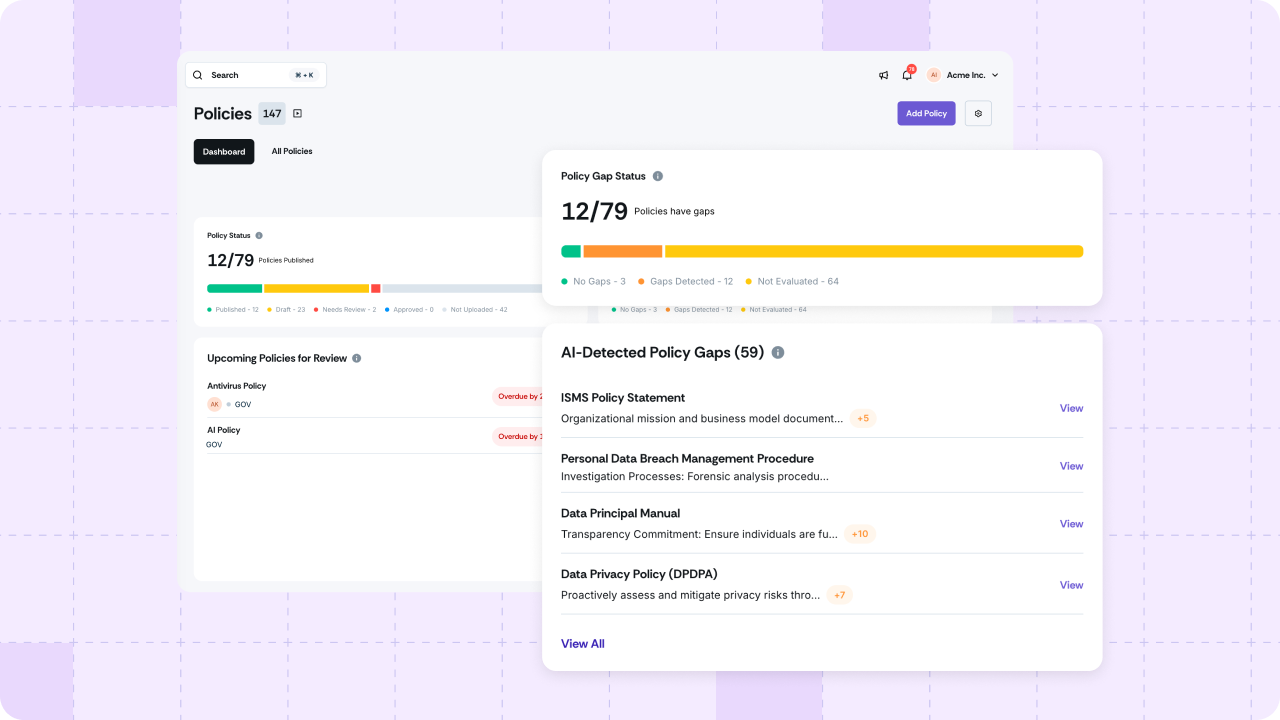
Policy gap analysis dashboard: Scrut Teammates now analyzes uploaded policies, shows whether they have been reviewed, and flags detected gaps in one place, helping teams identify missing coverage faster and improve policy readiness ahead of audits.
Read more about our previous release on policy gap analysis here.
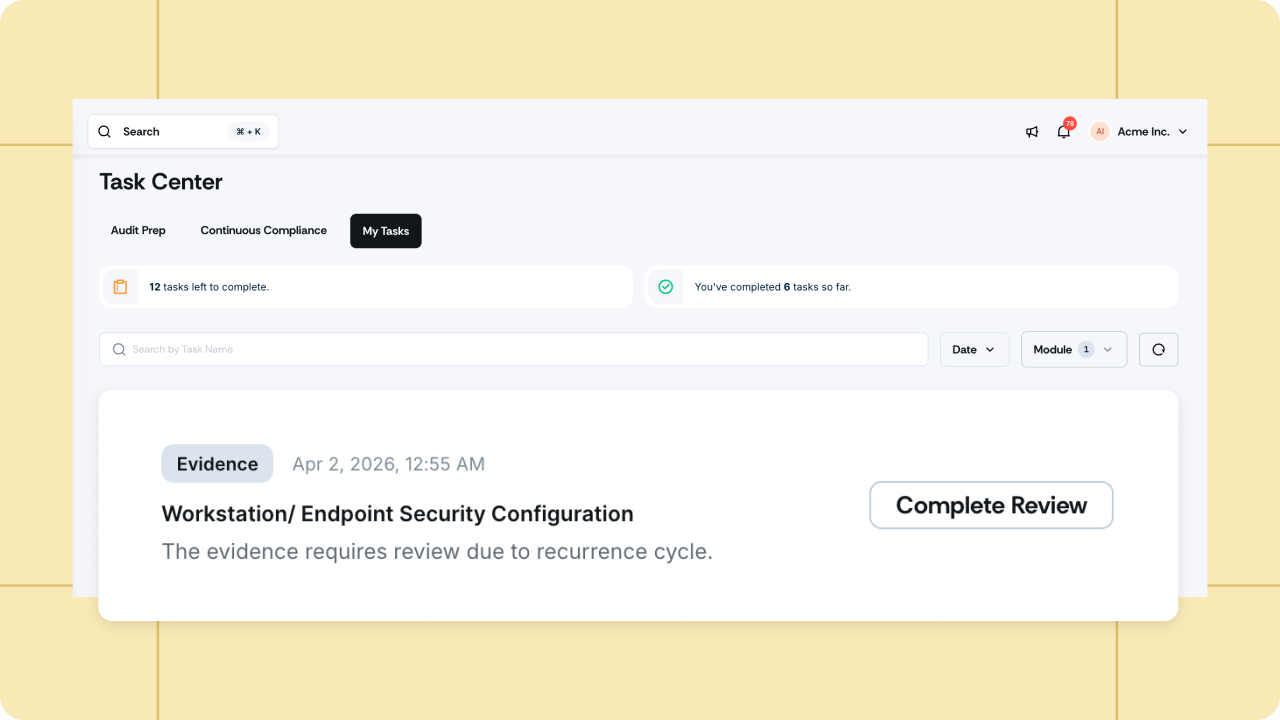
Auto-assign tasks for AI-identified evidence gaps: AI evidence reviews now appear as dedicated tasks in the Task Center. If gaps are found, teams are directed to review them; if none are found, evidence can be bulk-published, reducing manual review and helping teams focus only on exceptions.
Enhanced configuration fixes: Resolving cloud misconfigurations is now faster and more flexible. Teammates presents a ready-to-use fix with support for multiple formats (Terraform, AWS CLI, and CloudFormation). Each fix now comes with a confidence score and linked resources, and options to copy, create a Jira ticket, or regenerate it with follow-up questions.
Streamline Trust Vault access and Questionnaire workflows
This month’s questionnaire automation updates focus on improving the precision of AI-generated answers by giving teams stronger control over the source data that powers them. With better document organization, more targeted source selection, and preserved question context, teams can guide the AI’s references more intentionally, helping improve answer quality, consistency, and trust in the response output.
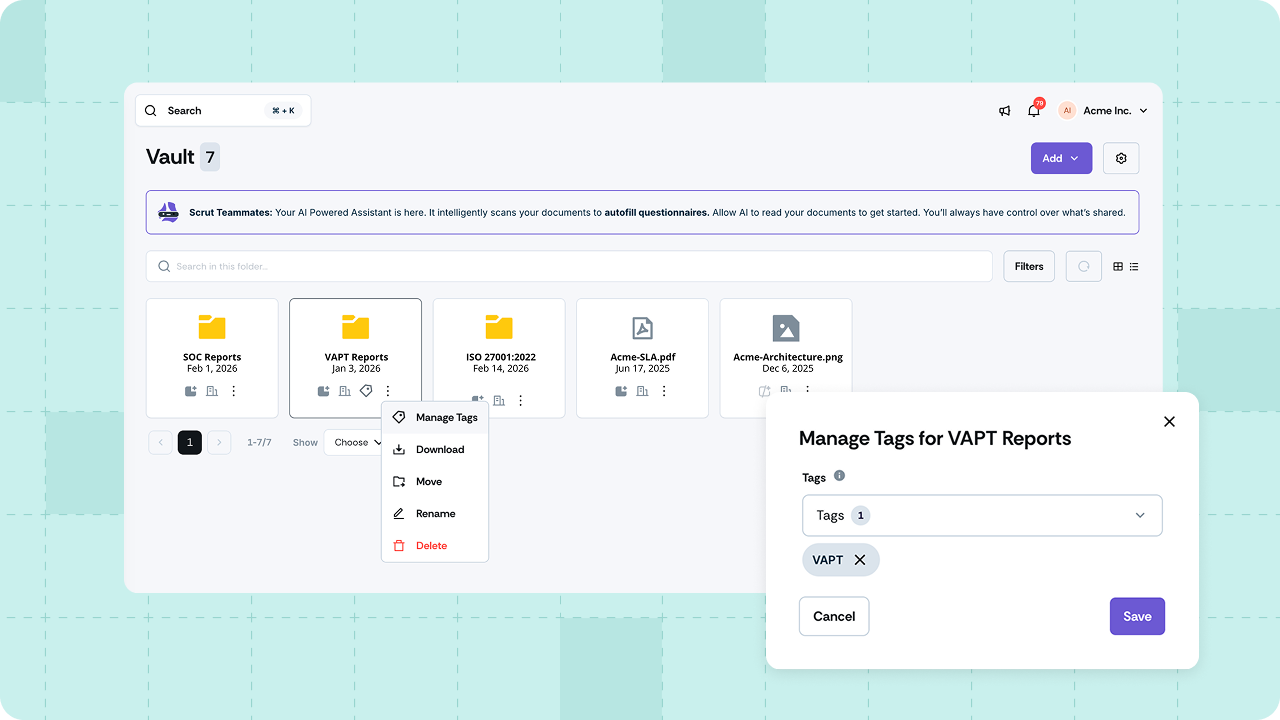
Organize your Vault with tag management: Teams can now tag Vault folders and documents by topic, so questionnaires pull from only relevant source material, and your questionnaire responses stay better aligned to the context of each request.
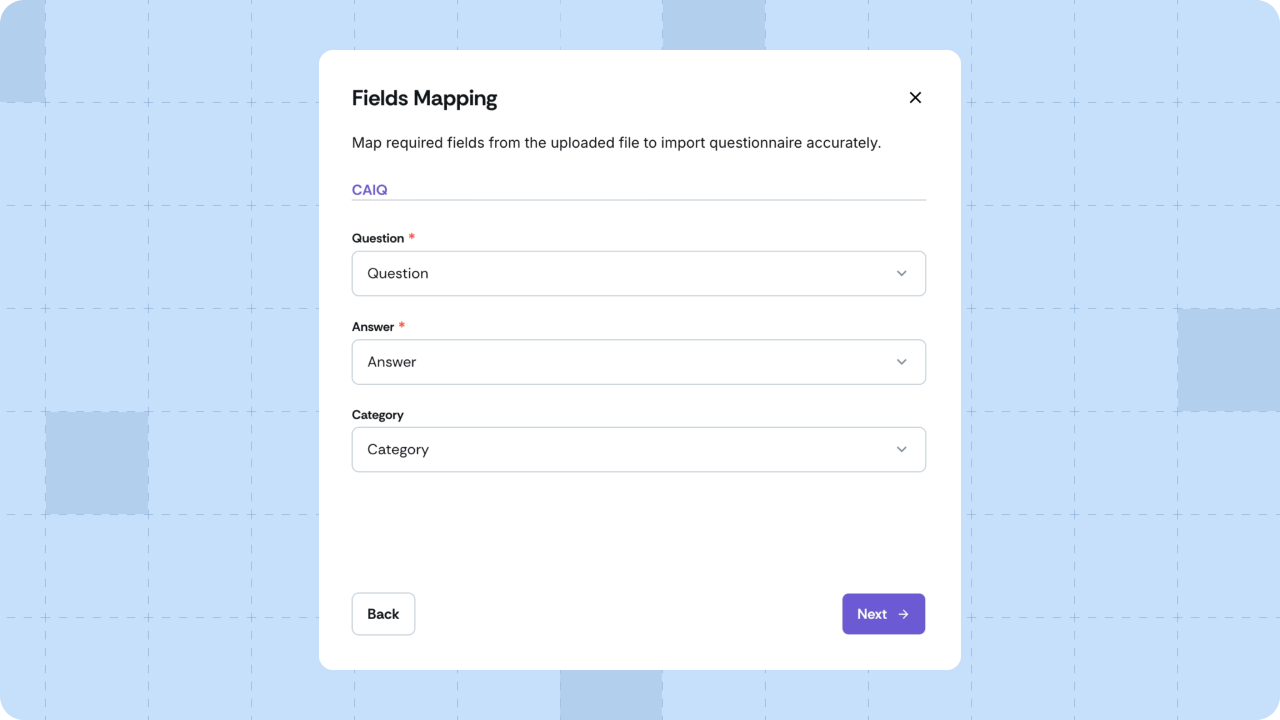
Question category support: Questionnaire imports can now preserve category fields and display them on each question, making long assessments easier to scan, route, and review without referring back to the original spreadsheet.
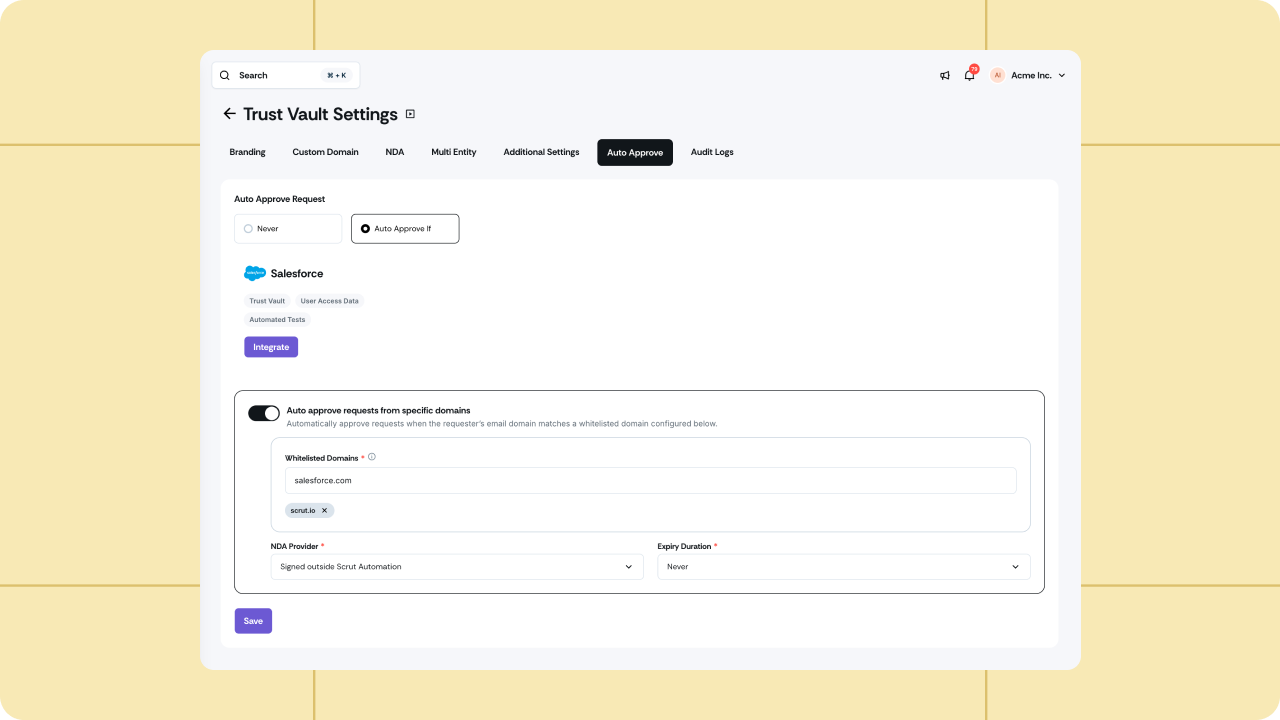
Domain-based auto-approval for Trust Vault: Speed up document-sharing workflows by auto-approving access requests from known partners, customers, and prospects. Teams can now allow trusted domains, assign NDA approvers, and set expiry duration, all from Trust Vault settings.
See how Scrut’s Trust Portal helps you centralize trust content, control access with NDA-backed sharing, and keep stakeholders updated automatically. Book a demo to see how you can create your own customized and branded Trust Portal.
Triage vulnerabilities with more context and less back-and-forth
Third-party vulnerability scan workflows are most effective when teams can quickly understand the impact, not just see a list of findings. In this month’s updates, we’ve added more context to third-party scan data and have made it easier to prioritize remediation across sources and affected assets.
Improved third-party scans: Findings now include richer details, such as better remediation context, fuller visibility into affected resources, and standardized severity information, helping teams understand what needs attention faster without switching between multiple tools.
Dedicated resources view: Third-party scan findings now include a resource-level view of impacted assets, helping teams prioritize remediation based on where risk is concentrated rather than reviewing all vulnerabilities in isolation.
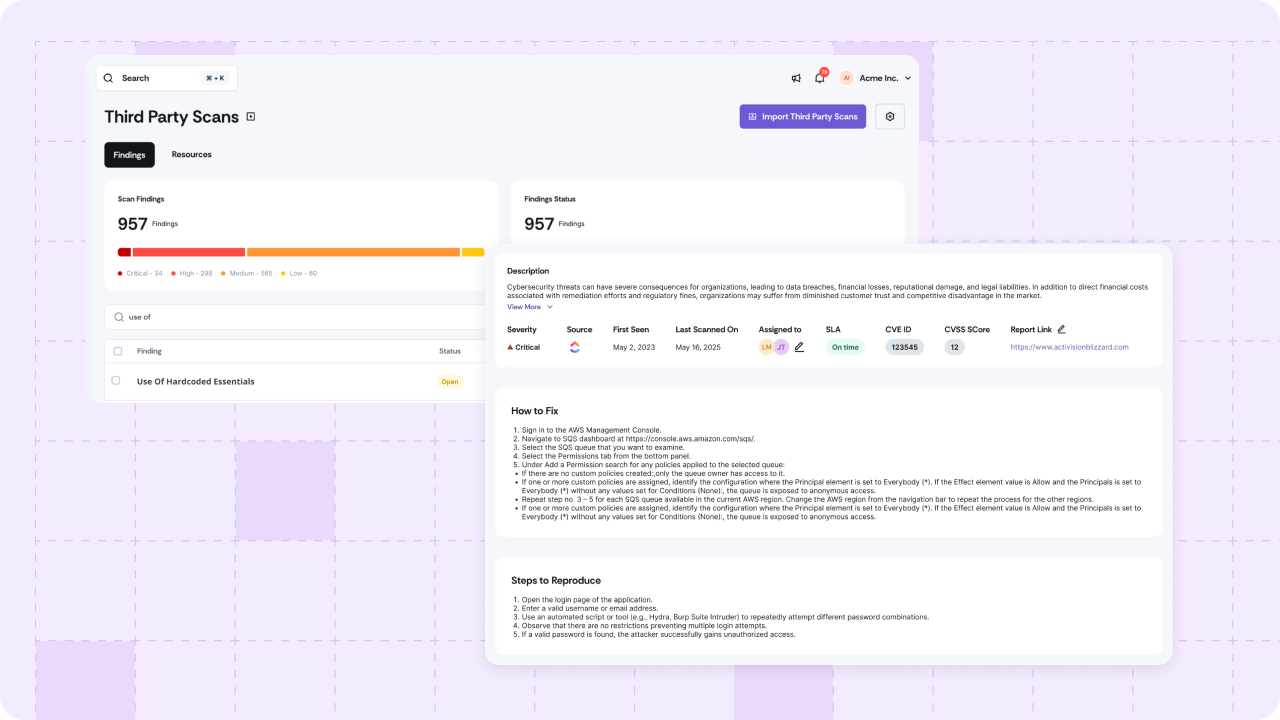
Aikido Security integration: Teams can now bring Aikido findings directly into Scrut, making it easier to centralize vulnerability data and manage remediation workflows in a single place rather than across disconnected systems.
Scrut helps vendors with seamless reviews and better documentation collection. Check out how to manage third-party risks with Scrut. Learn more about Vulnerability Management here.
Framework updates
Scrut has also expanded and refined framework support to help teams manage evolving compliance requirements with more clarity and less operational overhead.
NEN 7510: Scrut now supports NEN 7510, giving organizations serving the Dutch healthcare ecosystem a structured way to manage healthcare-specific information security requirements within the same compliance workflow.
NIS 2: The NIS 2 mapping has been updated to focus more clearly on direct obligations that require organizational action, helping teams run more practical gap assessments and reduce time spent on non-actionable requirements.
ISO 22301:2019: Support for ISO 22301:2019 now includes broader requirement coverage, refined mappings, and new policy templates, helping teams strengthen business continuity readiness with less manual setup.
Explore the Scrut Frameworks Library to access 70+ ready-to-use frameworks, or connect with our team to set up a custom framework tailored to your compliance program.
Integration updates
This month, Scrut also expands integration coverage across security, HRIS, background verification, finance, and workflow tools, bringing more operational data into the platform:
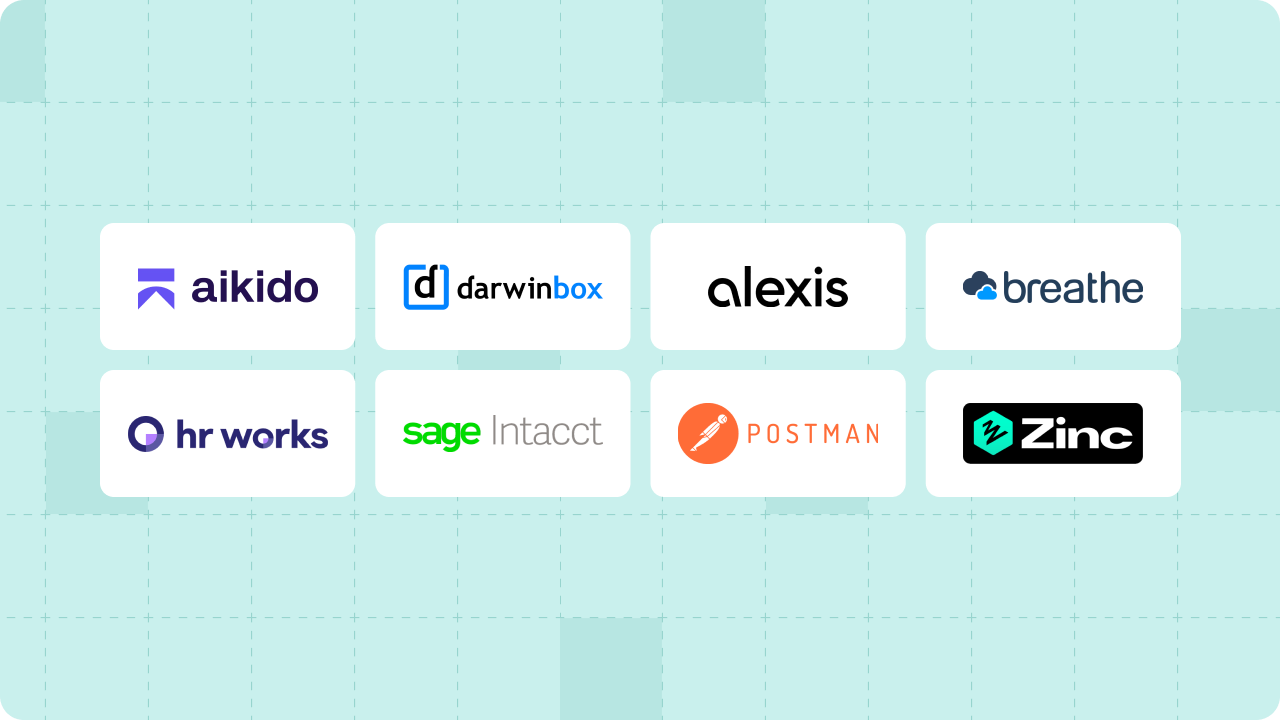
These additions help teams connect more of their security, HR, background verification, finance, and workflow systems into Scrut, reducing fragmented processes and making it easier to centralize evidence, operational context, and follow-through across compliance activities.
Scrut provides 150+ seamless integrations across multiple categories to automate evidence collection, streamline workflows, and simplify your compliance. Click here to explore all the supported integrations.
Other platform enhancements
A few additional platform enhancements have also been introduced this month.
- Linked risks in control details: Controls now show their linked risks directly within the details view, making it easier to trace how control execution connects to broader risk workflows without switching between modules.
- Vendor Portal audit logs: New audit log tabs now capture key vendor-side actions, giving teams better traceability into questionnaire activity and user management for stronger audit accountability.
- Clearer automated test status and stale test detection: Automated tests now show scan freshness, real-time monitoring status, and stale-test warnings more clearly, helping teams spot issues earlier and troubleshoot outdated or failing test activity faster.
As always, Scrut’s product updates are aimed at helping teams reduce manual effort, improve audit readiness, and move faster across security, compliance, and trust workflows. Book a demo to know more about us.


%201.png)


.png)