


%20(1).png)
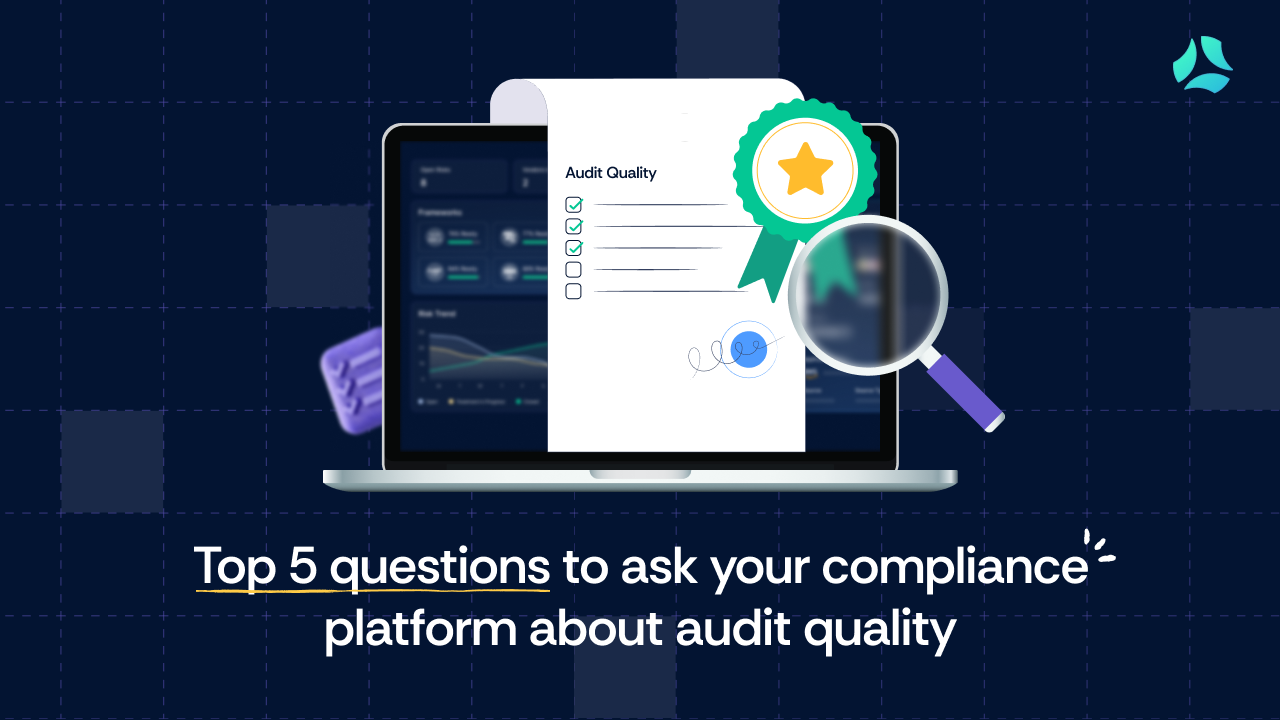


Compliance software is no longer just an operational tool. It is audit infrastructure.
For many teams, SOC 2 compliance software is the starting point. Over time, that same platform expands to support additional frameworks, customer audits, and ongoing assurance programs. As compliance programs mature, the quality of the audit increasingly reflects the strength of the system behind it.
Audit quality matters because weak audits create risk far beyond a single report.
As Erika Fry, Director of IT Security at Boomi, explains:
.png)
The goal is no longer just audit readiness. The goal is audit quality. That means defensible evidence, meaningful control testing, and confidence that an audit would still hold value if reviewed later by customers, regulators, or partners.
The key questions to ask your compliance platform
Choosing compliance software is not about feature volume. It is about whether the platform can withstand scrutiny across the full audit lifecycle.
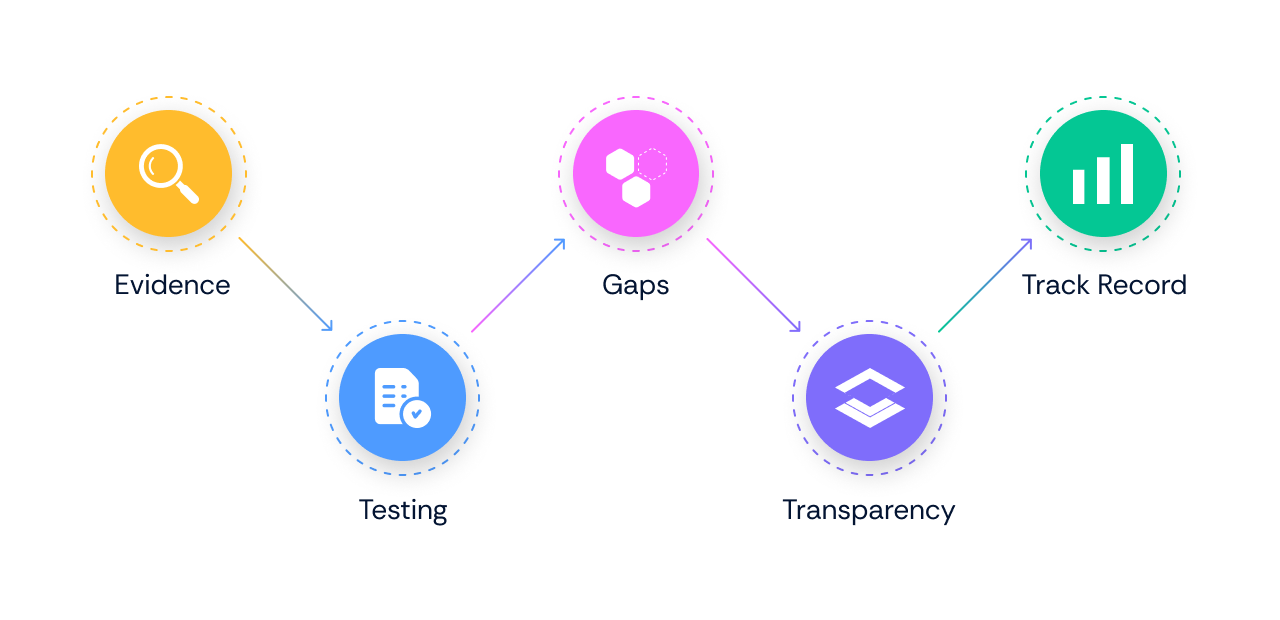
Each stage builds audit quality. Weakness in one undermines the whole.
Let’s move on to the questions.
Question 1: How does your platform ensure evidence is complete, current, and defensible throughout the audit period?
Evidence is the foundation of audit quality. Automation alone does not make evidence reliable.
A credible platform should demonstrate:
- Structured mapping between evidence and specific control requirements
- Time-bound validation to ensure coverage across the entire audit window
- Version history that preserves prior states
- Alerts for expiring or outdated documentation
- Verification mechanisms that validate automated data pulls
Many SOC 2 compliance software solutions automate screenshots and system exports. The real question is whether the system validates completeness, timing, and population coverage. Mature compliance automation software goes well beyond screenshots, continuously pulling live evidence from integrated systems and mapping it to specific control requirements so the record stays current, not just collected.
Auditors assess sufficiency and appropriateness. If evidence lifecycle management is weak, audit defensibility erodes quietly over time.
Question 2: How does your platform prove that controls are operating effectively, not just documented?
Documentation describes intent. Testing demonstrates performance.
Strong compliance software should clearly distinguish between:
- A control that is written
- A control that is implemented
- A control that is tested
- A control that is operating effectively
The platform should support continuous testing where appropriate and preserve historical test results. It should also capture control failures without overwriting them.
When evaluating SOC 2 compliance automation software, focus less on templated control libraries and more on testing rigor. A mature system demonstrates operating effectiveness across time, not just at a single point.
Question 3: How does your platform surface compliance gaps early and track remediation to closure?
Audit quality improves when issues are identified before auditors discover them.
A strong compliance platform should proactively flag:
- Missing or stale evidence
- Untested controls
- Failed control activities
- Overdue remediation items
Equally important is structured remediation tracking. Every finding should have a documented owner, defined due date, corrective evidence, and preserved history.
Organizations relying on SOC 2 compliance software often expand to additional frameworks. In that environment, the ability to demonstrate continuous compliance between audit cycles becomes critical. Compliance cannot be episodic. It must be sustained.
Question 4: How transparent is your platform’s audit trail and auditor access model?
Transparency reinforces credibility.
A defensible system should log:
- Evidence uploads
- Control edits
- Testing activity
- Exception handling
- Remediation updates
Each action should be timestamped, attributed, and historically preserved.
External auditors should have structured, permission-based access to review activity logs and supporting documentation independently. Audit preparedness reports should be generated directly from system data, not assembled manually outside the platform.
When audit transparency is embedded into architecture, confidence increases for customers, regulators, and partners.
Question 5: What evidence does the vendor have of consistent audit success across customers and audit cycles?
Feature claims are theoretical. Audit performance is empirical.
Ask for:
- Customer audit pass rates
- References from organizations that have completed multiple audit cycles
- Examples of framework expansion beyond initial SOC 2 audits
When reviewing SOC 2 compliance software reviews or broader compliance software solutions, sustained multi-cycle audit success is a stronger indicator than onboarding speed or automation volume.
Audit quality compounds over time. Platforms that consistently support renewals and expansions demonstrate structural strength.
Compliance software should not merely help teams pass an audit. It should strengthen assurance.
Whether beginning with SOC 2 compliance software or evaluating broader compliance platforms, the differentiator is not automation alone. It is whether the system consistently produces defensible, transparent, and durable audit outcomes.
The strategic role of compliance software
Compliance software today determine how rigorously controls are interpreted, how meaningfully evidence is evaluated, and how defensible conclusions remain over time.
Organizations selecting SOC 2 compliance software or broader compliance software solutions are not merely choosing a tool to pass audits. They are choosing infrastructure that either strengthens or weakens institutional trust.
Audit quality is not accidental. It is designed into the system. And the system starts with the platform.
If you are evaluating compliance software and want to understand how audit quality can be built into your program from day one, book a demo with Scrut. See how structured evidence management, continuous control monitoring, proactive gap identification, and audit-grade transparency come together in a platform designed for defensible outcomes, not just completed checklists.
Audit quality refers to how defensible, complete, and transparent an audit outcome is. It depends on structured evidence management, rigorous control testing, and preserved audit trails across the full audit period.
Audit readiness means being prepared for an audit event. Audit quality measures whether the results would withstand scrutiny from customers, regulators, or partners after the audit is complete.
Strong SOC 2 compliance software enforces evidence validation, continuous control testing, remediation tracking, and timestamped audit logs, reducing manual gaps that weaken audit outcomes.
Continuous testing demonstrates that controls operate effectively over time, not just at a single point in time. It reduces last-minute remediation and strengthens audit credibility.
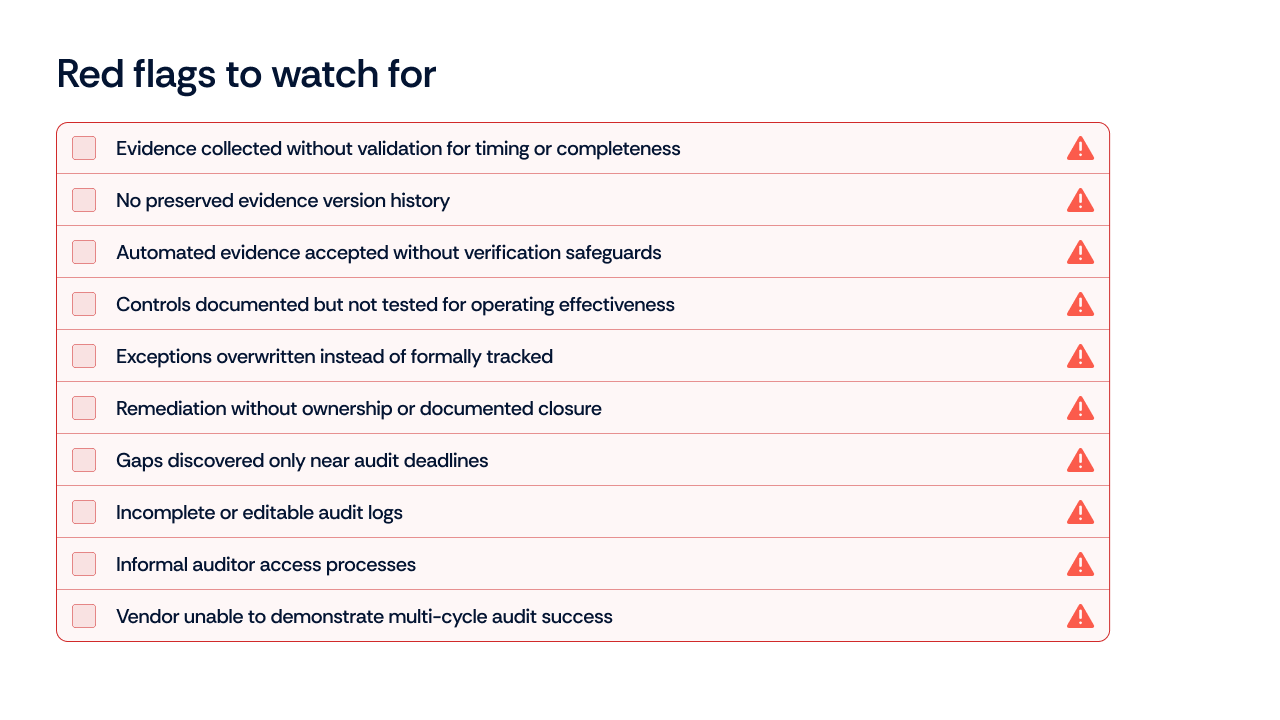
Red flags include stale or unvalidated evidence, overwritten exceptions, missing version history, informal remediation tracking, and incomplete audit logs.


%201.png)



.png)